
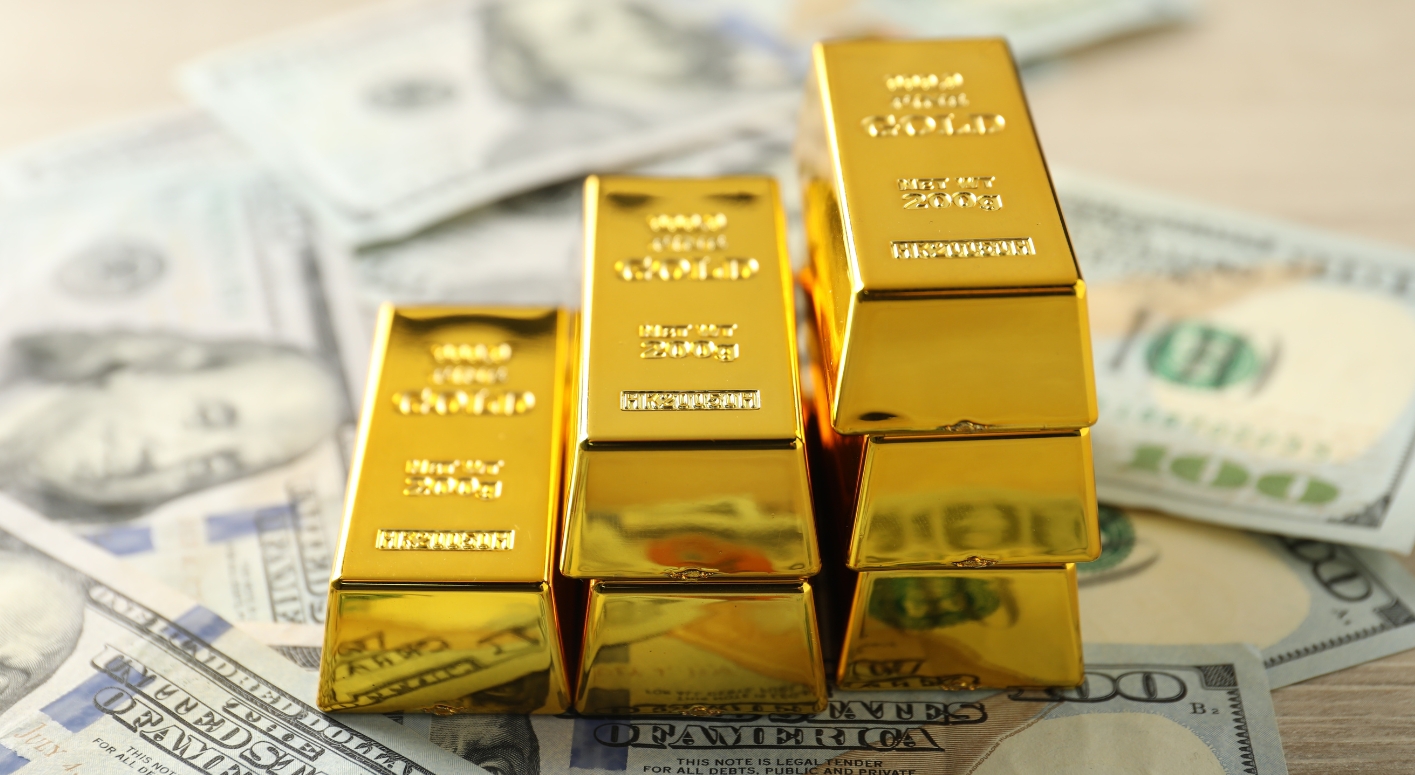
Gold futures have reached record levels, topping $3,700 an ounce as of September 22, with some forecasts predicting even higher prices.
Goldman Sachs recently projected that if just 1% of money privately invested in U.S. Treasuries shifted into gold, the precious metal could hit $5,000 an ounce. By mid-2026, the bank sees gold potentially reaching $4,000 an ounce.
The anticipation of two more Federal Reserve rate cuts this year has intensified demand for gold, which many investors view as a safe haven amid economic uncertainty and geopolitical tension.
Yet, opinions on gold’s place in a portfolio remain divided. Seven financial experts weigh in whether now is a good time to invest.
“Physical gold, secured in a vault, provides a form of financial insurance that is increasingly valuable and sought after in today’s unpredictable environment.” — Jonathan Rose, CEO, Genesis Gold Group
Rose emphasizes that gold is mainly portfolio insurance, not a growth asset. “The substantial price appreciation we’re witnessing now reflects fundamental economic realities rather than speculative excess. When I analyze the driving factors — persistent inflation concerns, significant geopolitical tensions, and unprecedented sovereign debt levels — gold’s strong performance appears both logical and sustainable.”
“I’ve worked with numerous investors who find tremendous peace of mind knowing that a portion of their wealth exists outside the conventional financial system.”
“Buying gold is merely betting that the price will go up.” — Alex Michalka, Vice President of Investments, Wealthfront
Gold does not produce cash flow and is taxed at higher rates, says Michalka. “At Wealthfront, we don’t include gold in our recommended portfolios for a few reasons. First, unlike stocks or bonds, gold doesn’t have any cash flows associated with it, and thus isn’t an investment in the same way. Buying gold is merely betting that the price will go up.”
He recommends that investors treat it as one part of a diversified portfolio: “For clients who choose to invest in gold, we recommend treating it as just one part of a well-diversified strategy — and as always, avoiding putting all your eggs in one basket.”
“For many investors, investing via an ETF is more efficient, less expensive and offers more liquidity.” — Robert Minter, Director of ETF Investment Strategy, Aberdeen Investments
ETFs offer a practical way to invest in gold without the complications of physical bullion. Minter notes, “Investing in gold is as easy as investing in a stock when you invest via ETFs, however investing via physically buying gold from a Costco — or other retailer — comes with some complications.”
ETFs reduce trading and storage costs and provide secure, audited holdings. He also points out that “the majority of the price appreciation of gold over the last four years has been as a result of central bank demand rising rather than investor demand.”
“We think portfolios with balanced allocations including a modest exposure to commodities are well positioned through the rest of 2025.” — Justin Cardwell, Director of Research, Alternative Options
Cardwell sees gold as part of a broader commodity strategy. “Looking ahead, we think portfolios with balanced allocations including a modest exposure to commodities are well positioned through the rest of 2025. While tariffs and slowing economic data have raised concerns about inflation and growth, a pro-business policy environment and a dovish Federal Reserve could keep both stocks and commodities supported.”
Gold serves as an anchor asset during volatility: “Gold fits neatly into that mix as an anchor asset when volatility rises. One of the bigger structural drivers for gold ownership is the persistent pressure on the U.S. dollar. With the national debt climbing by trillions and everyday prices of beef, coffee and metals doubling in the past one to two years, inflation risks aren’t theoretical.”
“It can play a role if you think of it as insurance, not an engine of growth.” — Eric Croak, CFP, Croak Capital
Croak stresses gold is not a wealth-building asset. “Gold does not generate cash flow. It does not have a yield. It does not pay interest. It does not pay a dividend. Sure, the price might spike during market panics. But that is sentiment-driven, and does not reflect a business creating value.”
He recommends limiting allocation to 3–5% of a diversified portfolio: “If you have a healthy, fully diversified portfolio, 3% to 5% max seems reasonable for the person who is really concerned about inflation, currency debasement and/or geopolitical risks. That’s your ticket.”
“We suggest that most investors put none of their portfolio into gold in bullion form.” — Thomas Winmill, Portfolio Manager, Midas Funds
Winmill highlights the costs of physical gold, including storage and insurance. He encourages looking at gold mining companies for inflation protection and potential returns: “Investing in certain gold mining companies, in contrast, not only offers an inflation hedging ability through company ownership of gold deposits, but also excellent potential for current returns.” He emphasizes that commodity investing is speculative, influenced by unpredictable macroeconomic and political factors.
“Gold will always have value — it will never go to zero.” — Brett Elliott, Director of Marketing, American Precious Metals Exchange
Elliott underscores gold’s long-term stability. “Whether gold is worth it or not depends on your goals, but if we look at recent returns alone, that should tell us something about it. Year to date we’re currently seeing a 38% return on investment, making it one of the best performing asset classes in the world.”
He advises investors to choose the gold vehicle that suits their strategy—physical bullion, ETFs, or digital gold—and to be mindful of market timing.
 English
  German