
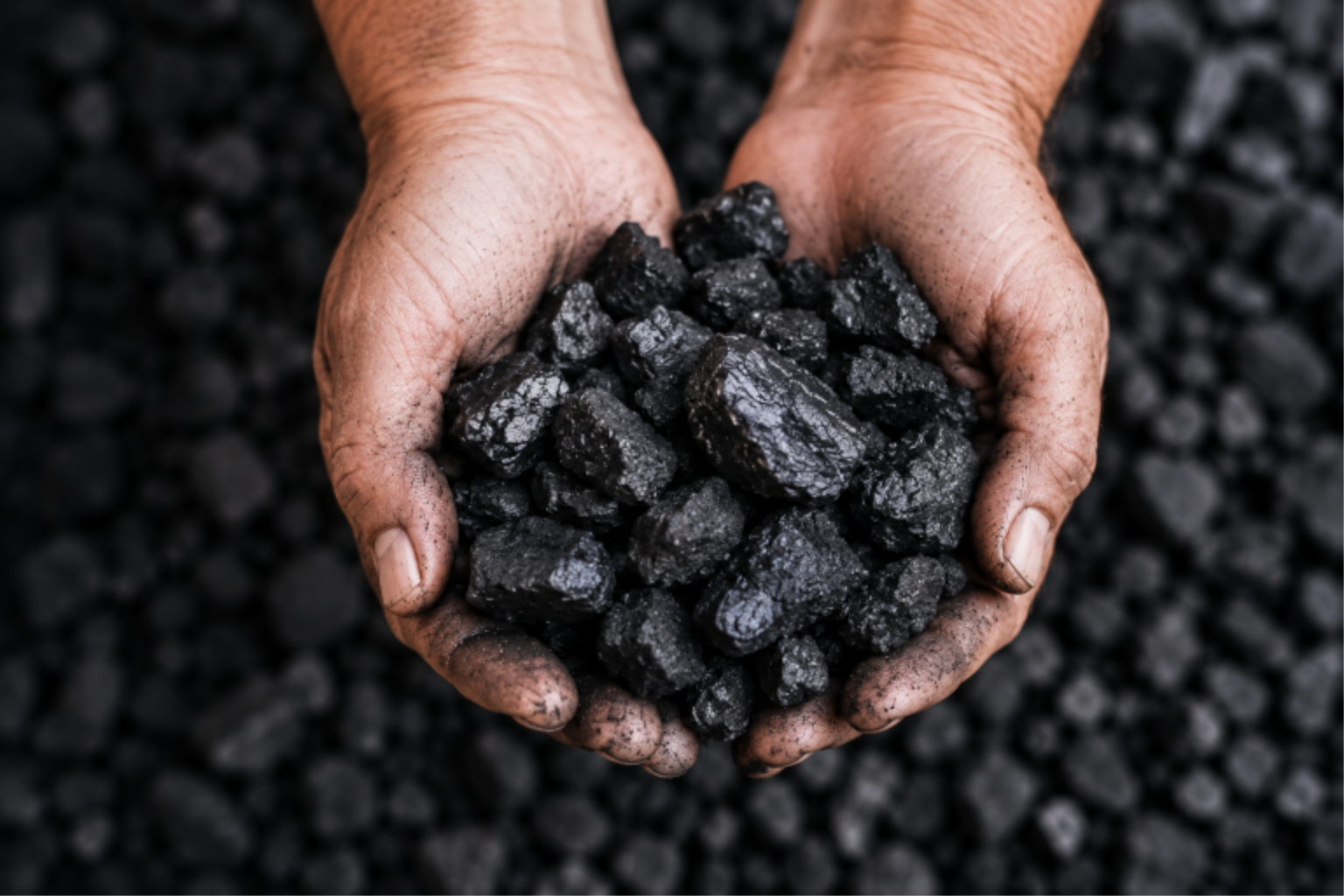
The U.S. Department of Energy is backing new projects to recover critical minerals from coal waste, turning an old industrial byproduct into a potential new supply chain opportunity.
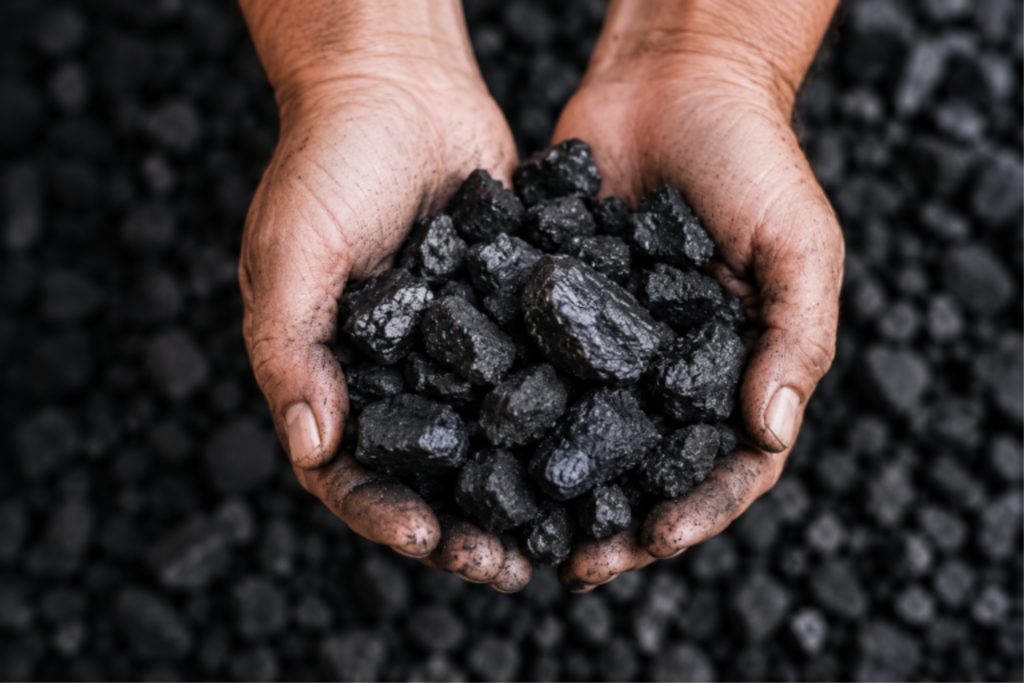
The U.S. Department of Energy is backing new projects to recover critical minerals from coal waste, turning an old industrial byproduct into a potential new supply chain opportunity.
The U.S. Department of Energy is putting fresh money behind an unexpected source of critical minerals: coal waste.
The agency has awarded $7.5 million in funding to projects focused on recovering valuable minerals and rare earth elements from coal feedstocks, coal ash, and other mining byproducts. While the funding amount is modest, the message is bigger — Washington is looking for more ways to build domestic supply chains for materials that power the modern economy.
Critical minerals are used across some of today’s fastest-growing industries, including electric vehicles, semiconductors, defense systems, energy infrastructure, and advanced manufacturing.
Instead of relying only on new mines, the U.S. is now exploring whether older coal materials can be turned into a new strategic resource.
That shift matters for investors. Coal waste has traditionally been viewed as an environmental and industrial liability. But if companies can recover valuable materials from existing byproducts, it could create a lower-cost pathway into the critical minerals market.
The funding also comes as the U.S. works to reduce dependence on foreign mineral supply chains, particularly for resources tied to national security and long-term industrial competitiveness.
For markets, the bigger story is that critical minerals are becoming too important to ignore.
Demand is being driven by AI infrastructure, battery production, grid expansion, defense technology, and advanced electronics. As that demand grows, investors are watching companies involved in extraction, processing, recycling, and mineral recovery more closely.
The Department of Energy’s latest move shows how the critical minerals race is expanding beyond traditional mining. Waste recovery, recycling, and alternative extraction technologies are becoming a bigger part of the supply chain conversation.
For Wall Street, the takeaway is simple: the next opportunity in critical minerals may not just come from new mines. It could also come from materials America has already pulled out of the ground.
 German
  English