
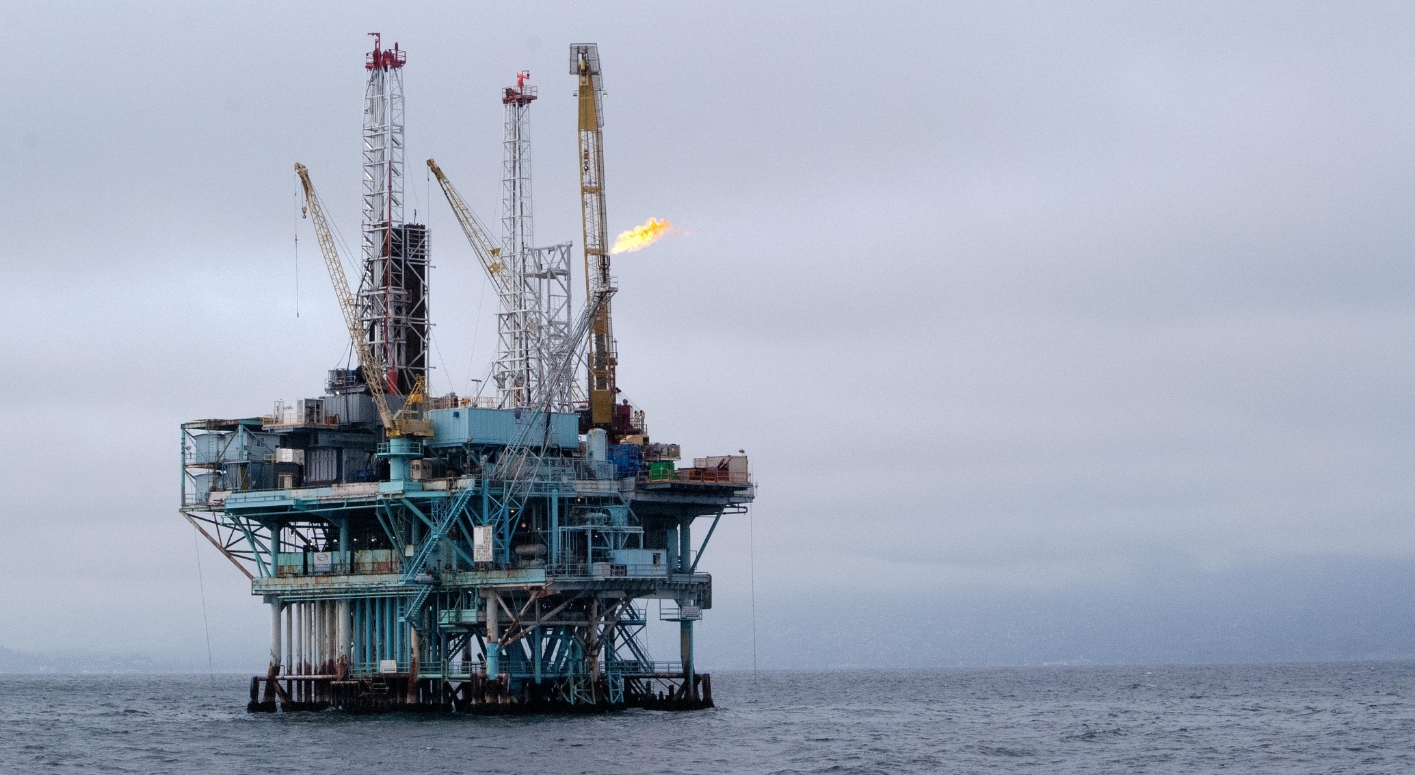
Oil prices moved lower as improving U.S.-Iran diplomatic signals and strong global supply levels eased concerns about near-term market shortages and reduced geopolitical pressure on crude markets.
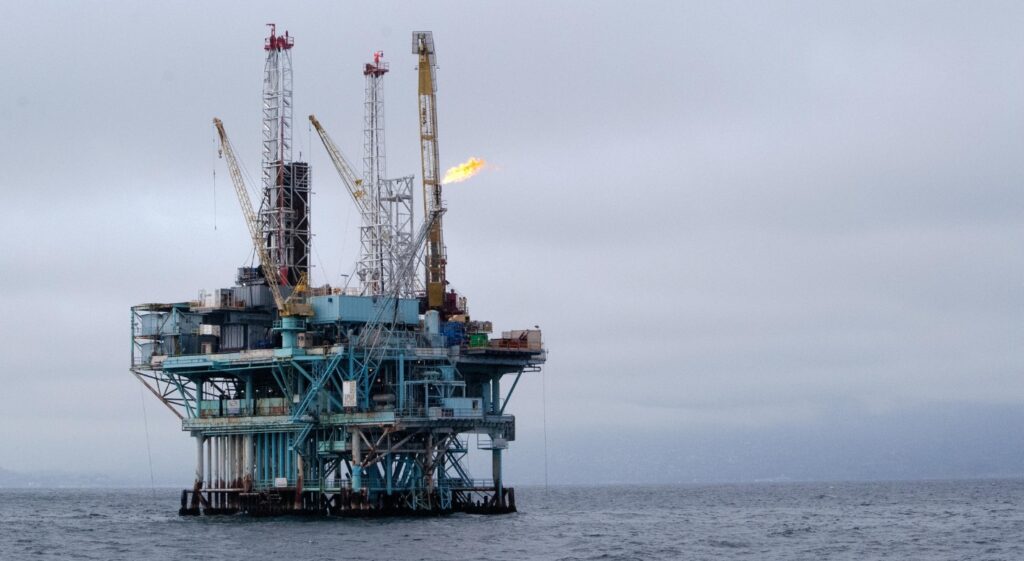
Oil prices moved lower this week as improving diplomatic signals between the United States and Iran combined with strong global supply levels to ease concerns about potential market shortages.
According to market reports, traders reacted to signs that discussions involving Iran may be stabilizing geopolitical tensions that have weighed on energy markets in recent years.
Iran remains one of the world’s major oil producers, and any improvement in relations that could eventually increase Iranian exports is closely watched by commodity investors.
Markets also continued responding to expectations that global crude supply remains relatively strong despite ongoing geopolitical uncertainty across several key energy-producing regions.
The combination of ample supply and softer fears surrounding potential disruptions helped push crude prices lower during trading.
Oil markets remain highly sensitive to geopolitical developments, production policy decisions, and global economic growth expectations, often reacting quickly to changes in sentiment around future supply conditions.
Investors are also closely monitoring broader questions surrounding global energy demand, including economic growth trends in China, industrial activity levels, and future electricity demand tied to expanding AI infrastructure and data center development.
At the same time, production decisions from OPEC+ and U.S. shale output continue playing a major role in shaping near-term pricing expectations.
Lower oil prices can have wide-reaching implications across financial markets. Declining crude costs may help reduce inflationary pressure for consumers and businesses, while also lowering fuel and transportation expenses across the economy.
However, weaker prices can create pressure on energy producers, drilling companies, and oil-sector earnings, particularly if crude remains under pressure for an extended period.
For investors, the latest move highlights how quickly commodity markets can shift as geopolitical risk premiums fluctuate and supply expectations evolve.
While volatility in the energy market remains elevated, current pricing suggests traders are becoming less concerned about immediate supply tightness than they were earlier this year.
 German
  English